
How AI Decisioning Transforms Marketing (A Complete Guide)
Published on January 08, 2026/Last edited on January 08, 2026/10 min read


Team Braze
BrazeAI decisioning transforms marketing by giving marketers the tools the need to realize 1:1 personalization across the lifecycle.
Marketing personalization is hitting a ceiling. Segments don’t behave like individuals, manual testing can’t keep up, and “next best action” often ignores the real levers that drive outcomes (timing, channel, frequency, creative, incentive).
AI decisioning is how modern marketing teams break through that ceiling—by continuously learning which combination of decisions works best for each customer and optimizing toward real business KPIs.
What is AI decisioning for marketing?
AI decisioning for marketing is an approach to personalization that uses reinforcement learning (RL) to make and optimize decisions for each customer—based on the outcomes those decisions produce.
It doesn’t rely on static rules and periodic A/B tests. Instead, an AI decisioning agent experiments, learns, and adapts continuously to maximize a defined success metric.
AI decisioning helps you choose not only what to send (offer/content), but also when, where, how often, and with what creative, per person. It drives the next step for the customer on a 1:1 basis.
How is AI decisioning different from “next best action”?
“Next best action” is often limited to recommending one thing (usually an offer/product) and then relying on segmentation, rules and manual testing to validate and maintain performance.
AI decisioning is “next best everything” because it can optimize multiple interdependent decisions at once—offer, incentive, channel, time/day, frequency and message/creative—at an individual level, and it keeps learning as behavior changes creating unique experiences for every customer.
How can marketing and growth teams benefit from AI decisioning?
If you’re responsible for lifecycle, CRM, growth, or martech, AI decisioning is designed to help you do more with the data and tools you already have—without scaling headcount or creating more complexity.
Personalize for people, not segments: decisions are made per individual using first-party data (not just a few attributes).
Optimize the KPI that actually matters: agents learn toward revenue, retention, CLV/LTV, margin—whatever you define.
Reduce the “manual testing tax”: AI decisioning replaces constant A/B testing by continuously learning which decisions drive KPIs like revenue, retention, or CLV.
Adapt automatically as the market shifts: decisioning stays resilient when behavior changes (seasonality, competitors, inventory, content cycles).
What are the best AI decisioning use cases for marketing teams?
Marketing teams use AI decisioning to optimize the moments that most directly impact revenue, retention, and customer lifetime value—especially when outcomes depend on more than one lever (offer and timing and channel and frequency).
The use cases below show how teams apply AI decisioning across lifecycle, growth, and engagement programs—using real performance results to illustrate what’s possible.
How can you drive repurchase and reorder without “batch-and-blast”?
Best for: retail, QSR, subscriptions, replenishment businesses
Goal: increase repurchase conversion (without over-messaging)
Decisions to optimize: subject line/copy, day/time, frequency, channel, CTA, offer
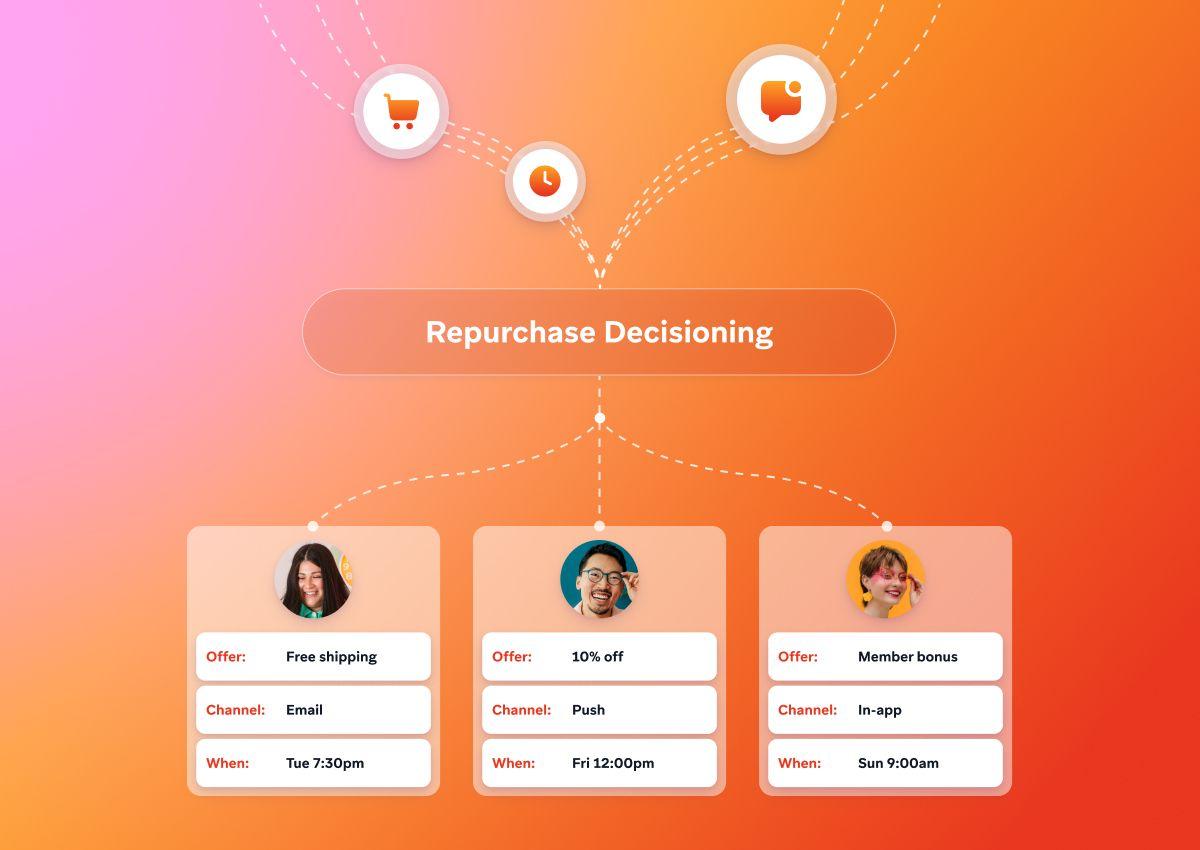
Example: A specialty retailer optimizes a repurchase journey across day-of-week, time-of-day, frequency, channel, and CTA to help increase conversion rates.
KPIs to track: conversion rate, revenue per customer, unsubscribes, incremental lift (holdout)
How can you increase upgrades and upsell while minimizing over-incentivizing?
Best for: telecom, SaaS, membership tiers, financial products
Goal: maximize upgrades and protect revenue per upgrade
Decisions to optimize: offer/incentive depth, message, timing, frequency
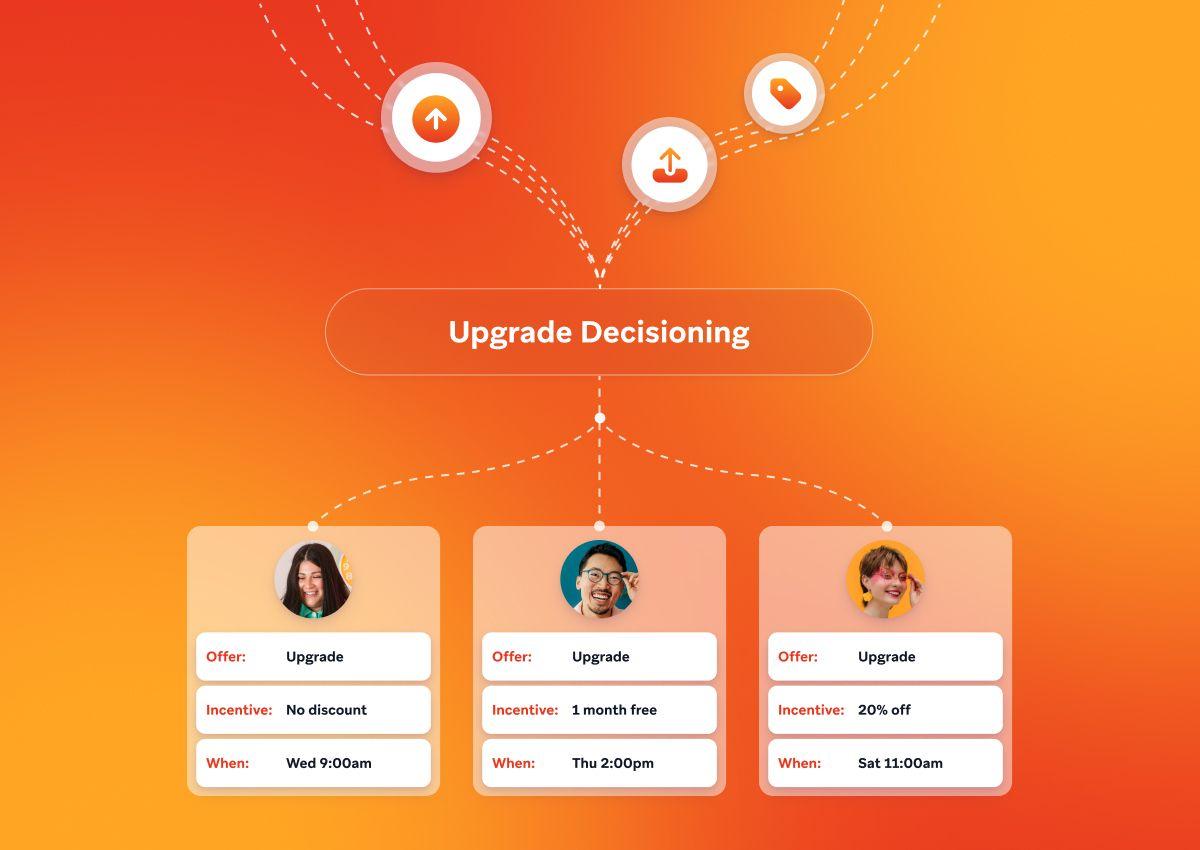
Example: A telco optimizes postpaid plan upgrades in order to improve upgrade rates while reducing value lost from over-incentivizing, increasing revenue per offer.
KPIs to track: upgrade rate, revenue per upgrade, promo cost, margin
How can you reactivate churned customers and maximize incremental value?
Best for: media streaming, subscription commerce, memberships
Goal: maximize incremental NPV/LTV from winback
Decisions to optimize: offer/incentive, creative, timing, cadence, channel
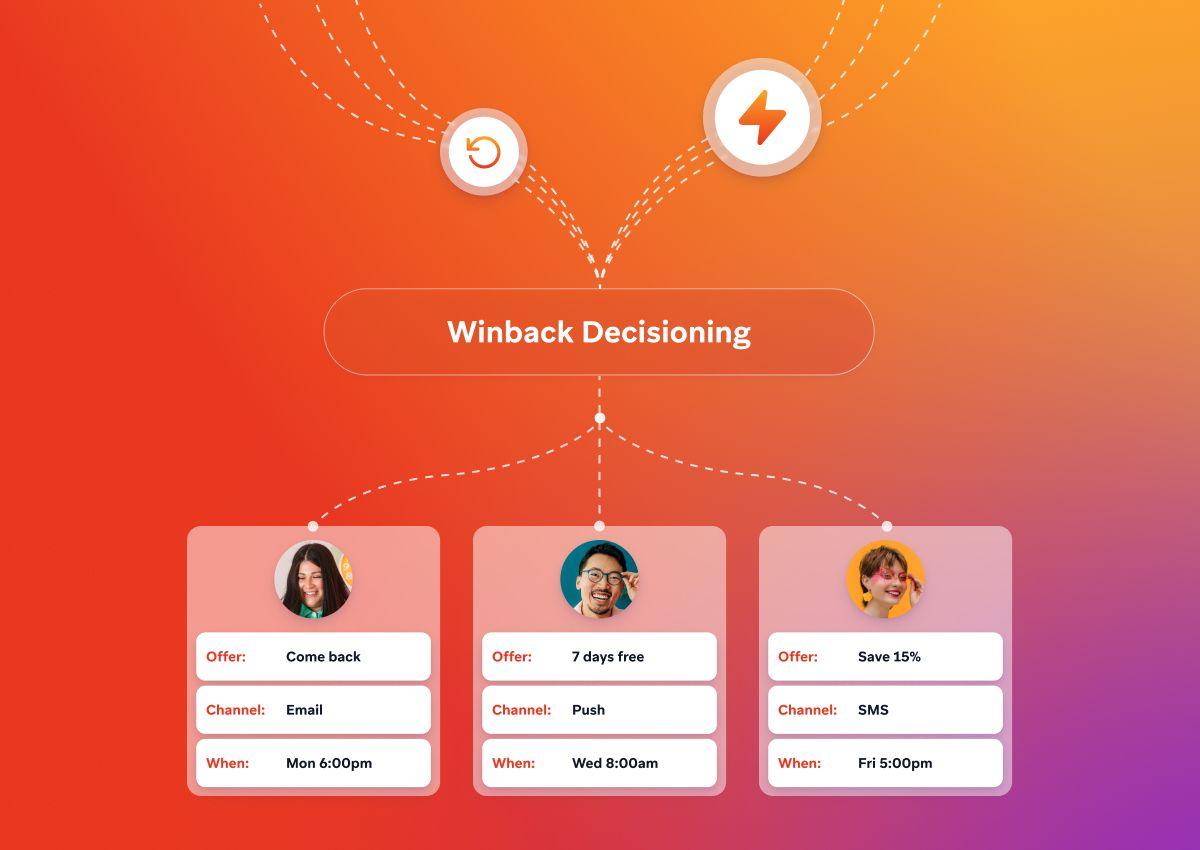
Example: A streaming service optimizes a reactivation campaign for unsubscribers to increase incremental NPV per customer while improving reactivations per send.
KPIs to track: incremental NPV/LTV, reactivation rate, revenue net of promo cost, suppression/unsubscribes
How can you reduce cancellations at the moment of intent?
Best for: streaming, fintech, telecom, SaaS
Goal: prevent churn at the lowest incentive necessary
Decisions to optimize: incentive amount/duration, message, step sequencing
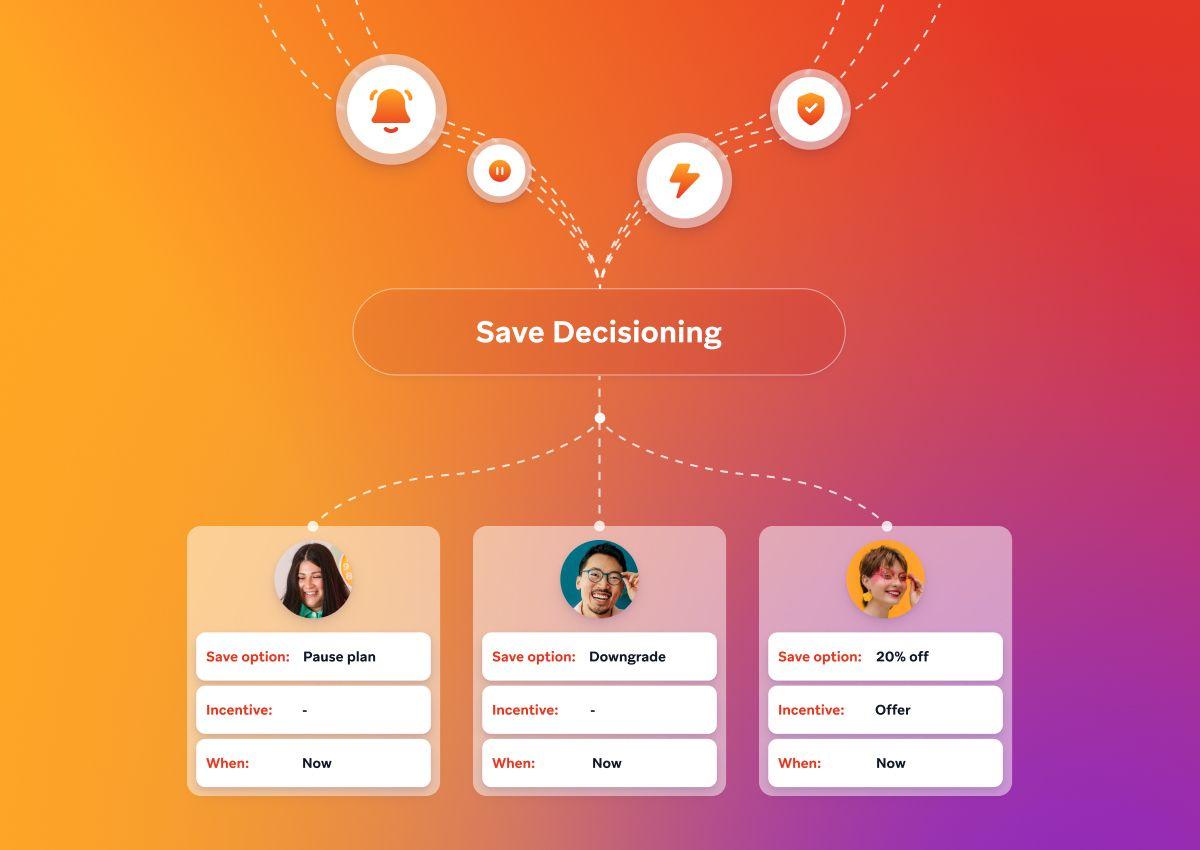
Example: A sports streaming brand optimizes cancellation-save incentives in real time to reduce cancellations, generating incremental NPV from averted churn.
KPIs to track: cancellations per attempt, retained revenue, incentive cost, incremental NPV
How can you improve renewals or contract extensions across channels?
Best for: home services, insurance-like contracts, long-term plans
Goal: maximize incremental NPV per customer from renewals/extensions
Decisions to optimize: offer structure, channel mix (email/phone/postal), cadence
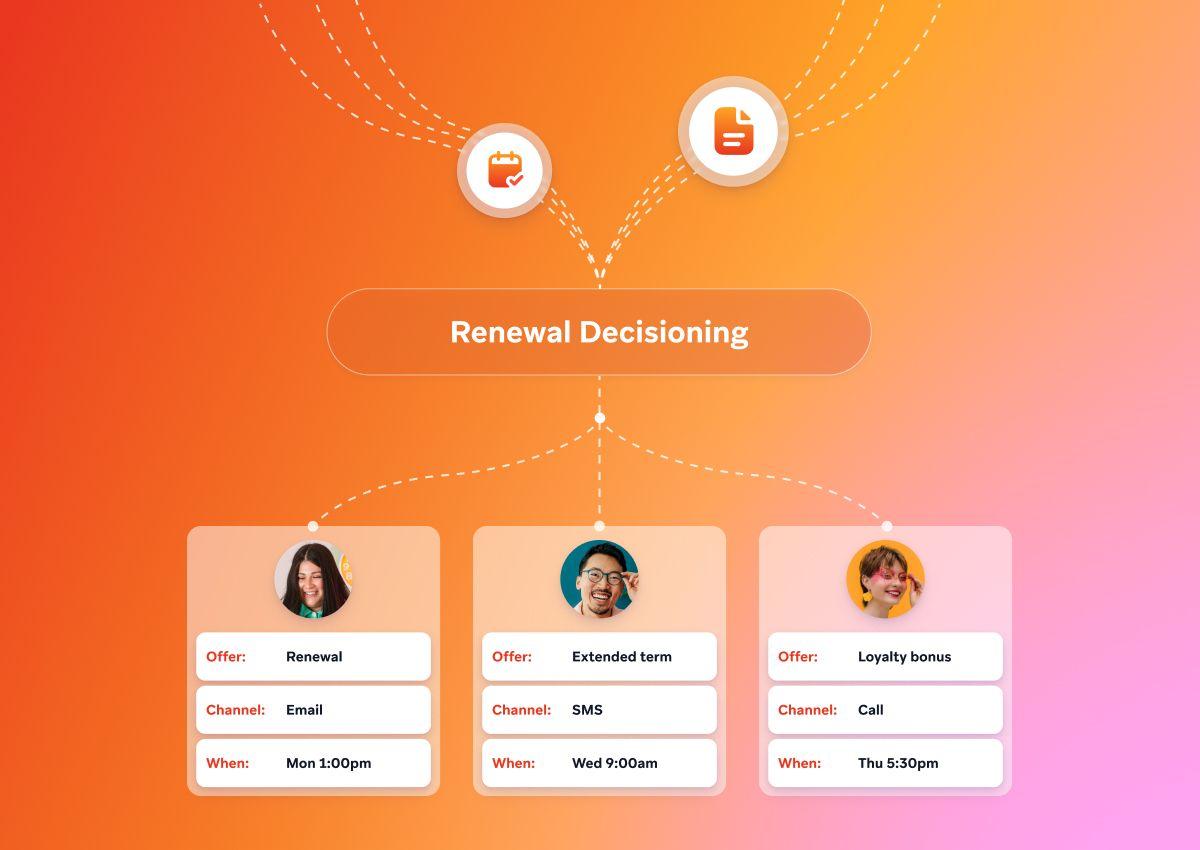
Example: A home security provider personalizes proactive contract extension offers and drives uplift in incremental NPV per customer, then expands to additional use cases and channels.
KPIs to track: incremental NPV, renewal/extension rate, offer cost, channel efficiency
How can you personalize web offers and pricing to maximize CLV?
Best for: energy, insurance, DTC with pricing/plan options, lead-gen sites
Goal: maximize incremental LTV/CLV from web visitors
Decisions to optimize: pricing/plan, contract type, term length (and associated messaging)
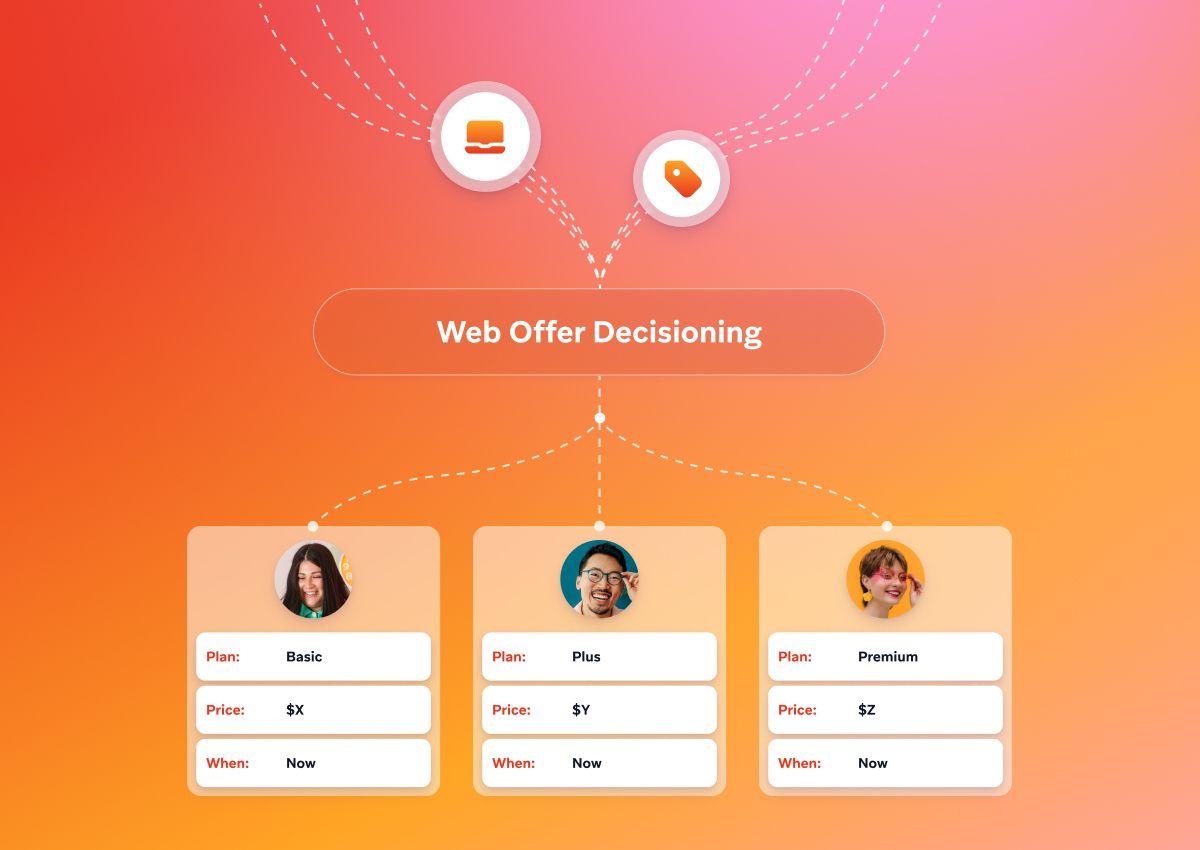
Example: An energy provider personalizes new customer offers for inbound website visitors to increase LTV and annual revenue.
KPIs to track: LTV per quote/lead, conversion rate, margin, payback period
How can you optimize paid social bidding using first-party data?
Best for: retailers and marketplaces using paid social with identity constraints
Goal: maximize incremental revenue per customer from paid media decisions
Decisions to optimize: bid strategy parameters (e.g., CPC / ROAS targets) per customer
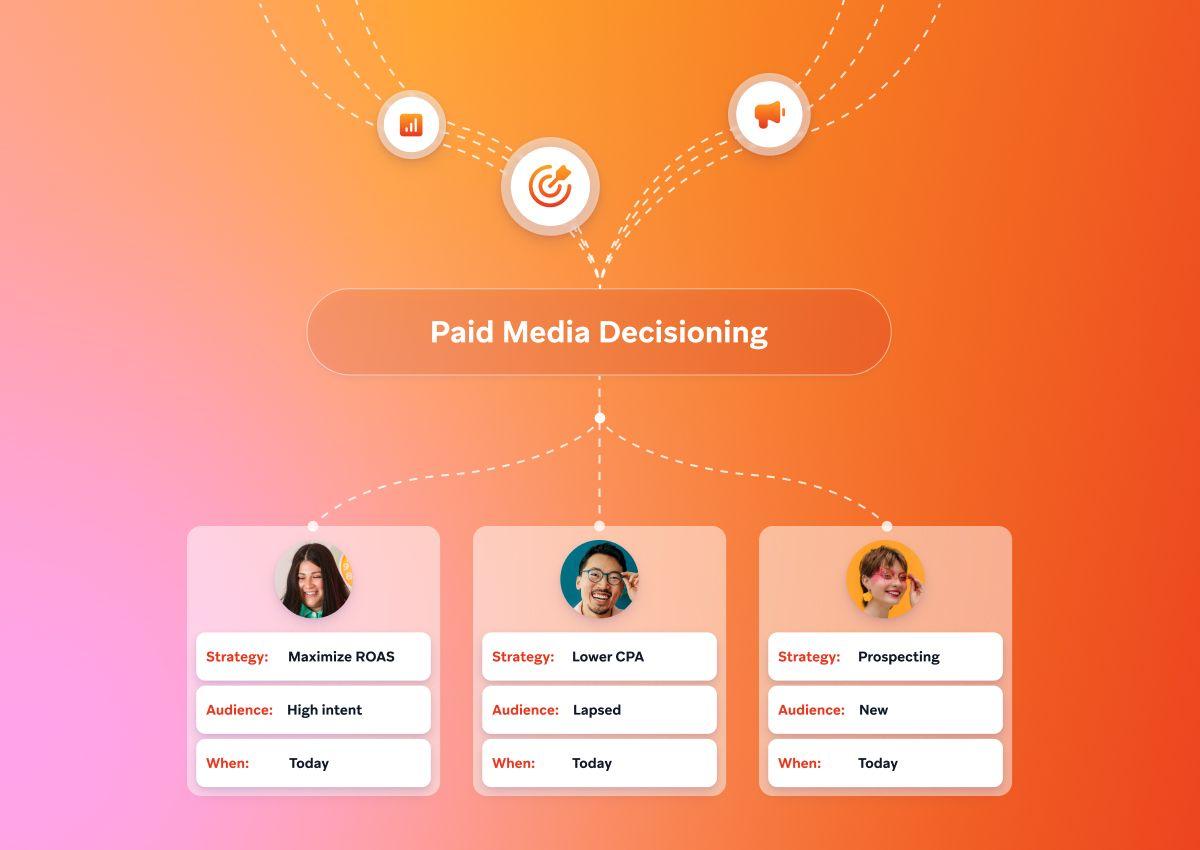
Example: A retailer uses first-party data to select the ideal paid social bidding strategy per customer and increases revenue per customer.
KPIs to track: revenue per customer, CAC/CPA, ROAS, incrementality vs holdout
Which marketing and financial metrics can AI decisioning improve?
AI decisioning can improve both growth and efficiency metrics because it optimizes decisions toward a defined business goal (not just clicks). The biggest wins tend to come when you optimize to outcomes like value, revenue, and retention.
Customer value and revenue metrics
- Customer lifetime value (CLV/LTV): increase long-term value per customer by optimizing experiences across lifecycle, not just a single touchpoint.
- Incremental LTV / incremental NPV: quantify the added value created by decisioning versus a control group.
- Revenue per customer / ARPU: improve monetization through better offer, timing, and channel decisions.
- Average order value (AOV): increase basket size with smarter cross-sell, bundles, and incentives.
- Purchase frequency / repeat purchase rate: drive more repeat behavior without simply increasing message volume.
- Net revenue retention (NRR): improve expansions and reduce contraction (especially in subscription or SaaS models).
- Gross margin / contribution margin: protect profitability by avoiding unnecessary discounting and selecting the smallest, most effective incentive.
Conversion and funnel metrics
- Conversion rate: lift outcomes across acquisition, activation, repurchase, upgrade, and winback programs.
- Activation rate: increase first-value moments (e.g., sign-up → first action) with tailored onboarding decisions.
- Upgrade rate / cross-sell rate: grow revenue by personalizing the next best product/plan/feature and the best moment to present it.
- Winback / reactivation rate: bring lapsed customers back with more effective treatments and lower wasted incentives.
- Cart/checkout recovery rate: convert intent by optimizing follow-up content, timing, and channel.
Retention and churn metrics
- Retention rate: keep customers engaged and active by matching experiences to individual preferences.
- Churn rate / cancellation rate: reduce churn with “save” decisions at the moment of intent (pause, downgrade, incentive, support).
- Renewal rate: improve renewals and extensions with personalized offers and channel mix.
- Time-to-churn / survival: extend customer lifespan by preventing early drop-off and reactivating at-risk cohorts.
Cost and efficiency metrics
- CAC / CPA: reduce acquisition costs by improving targeting and decisioning in paid and owned channels.
- ROAS: increase return on ad spend by selecting the right audience strategy and creative for each customer.
- Incentive cost per incremental conversion: lower discount spend while maintaining (or improving) conversions.
- Cost-to-serve: reduce unnecessary outreach and support burden by optimizing frequency and channel.
Engagement and deliverability metrics (best as supporting signals)
- Click-through rate (CTR) / open rate: often improve when relevance improves (but don’t optimize to these alone).
- Session frequency / time in app: increase through better content and timing decisions.
- Unsubscribe rate / spam complaints: decrease when frequency and content are personalized.
- Deliverability indicators: improve as you reduce over-messaging and send more relevant communications.
What is The Forrester Wave™: Real-Time Interaction Management Software, Q4 2025 and why is it important?
The Forrester Wave™: Real-Time Interaction Management Software, Q4 2025 (RTIM Wave) is an independent evaluation of the most significant vendors in the RTIM market. This Forrester report evaluates providers against 28 criteria to help marketing leaders understand which platforms best support complex, real-time customer journeys and next-best experience.
Is Braze mentioned in the Forrester RTIM Wave report?
Yes. Braze was recognized in The Forrester Wave™: Real-Time Interaction Management Software, Q4 2025.
In the evaluation, Braze is positioned as a “Strong Performer” among RTIM providers, notably receiving the highest scores possible in the personalized content integration and experience optimization criteria and recognized for its AI decisioning capabilities that are well aligned with requirements for marketing use cases.
Is Braze recognized in other industry analyst reports?
Yes. Gartner has recognized Braze as a Leader in Magic Quadrant™ for Multichannel Marketing Hubs for three consecutive years. The Braze platform’s Ability to Execute and Completeness of Vision were cited by Gartner as the reasons why the analysts named Braze a Leader in this Magic Quadrant report.
Gartner defines multichannel marketing hubs (MMHs) as software applications that orchestrate personalized communications to individuals in common marketing channels. MMHs optimize the timing, format, and content of interactions through the analysis of customer data, audience segments, and offers. Gartner believes MMHs are foundational for multichannel marketing, customer journey orchestration, and next best action programs.
How do you get started with AI decisioning?
If you’re ready to move from rules and one-off tests to always-on optimization, start small, prove impact, then scale.
Pick one high-impact use case
Choose a single lifecycle moment with clear business value—repurchase, upgrade, winback, renewal, cancellation-save, or paid efficiency.
Define the KPI that matters most
Anchor the program on a financial or business outcome (incremental revenue, CLV/LTV, incremental NPV, retention) so every decision optimizes toward measurable impact.
Build a strong “action bank”
List the choices the agent can make—offer/incentive levels, channels, send times, frequency caps, creative variants, step sequencing—and define what’s in-bounds (eligibility, compliance, brand rules).
Make measurement non-negotiable
Prioritize transparency so teams can understand which choices are driving outcomes and apply those learnings across programs.
Start with a manageable scope and expand
Use holdouts or controlled comparisons to prove incremental lift, then scale the agent to more actions, channels, and journeys once performance is validated.
Final thoughts on AI decisioning for marketing
AI decisioning is moving from experiment to expectation. As channels multiply and customer behavior speeds up, it gives marketers a way to keep decisions consistent, measurable, and responsive without adding endless manual rules.
Teams seeing the biggest impact use AI decisioning to operationalize strategy—turning intent into concrete decisions about timing, channel, content, and offers across every journey, while staying within the guardrails they set.
A practical next step is simple: start with one high-impact use case, define one KPI, create a clear action bank (offers, channels, timing, frequency, creative), and measure incremental lift with a holdout—then scale what works.
If you’re ready to move from static campaigns to adaptive programs, BrazeAI Decisioning Studio™ and the Braze platform can help you get there. Talk to our team about your first AI decisioning use case, or request a demo to see Decisioning Studio in action across your own customer journeys.
The Forrester Wave™: Real-Time Interaction Management Software, Q4 2025, Rusty Warner, October 2025.
The Forrester Wave™ is copyrighted by Forrester Research, Inc. Forrester and Forrester Wave™ are trademarks of Forrester Research, Inc. Forrester does not endorse any company, product, or service included in its research publications and does not advise any person to select the products or services of any company or brand based on the ratings included in such publications. Information is based on the best available resources. Opinions reflect judgment at the time and are subject to change. For more information, read about Forrester’s objectivity here.
Releated Content
View the Blog
Demographic segmentation: How to do It, examples and best practices
Team Braze
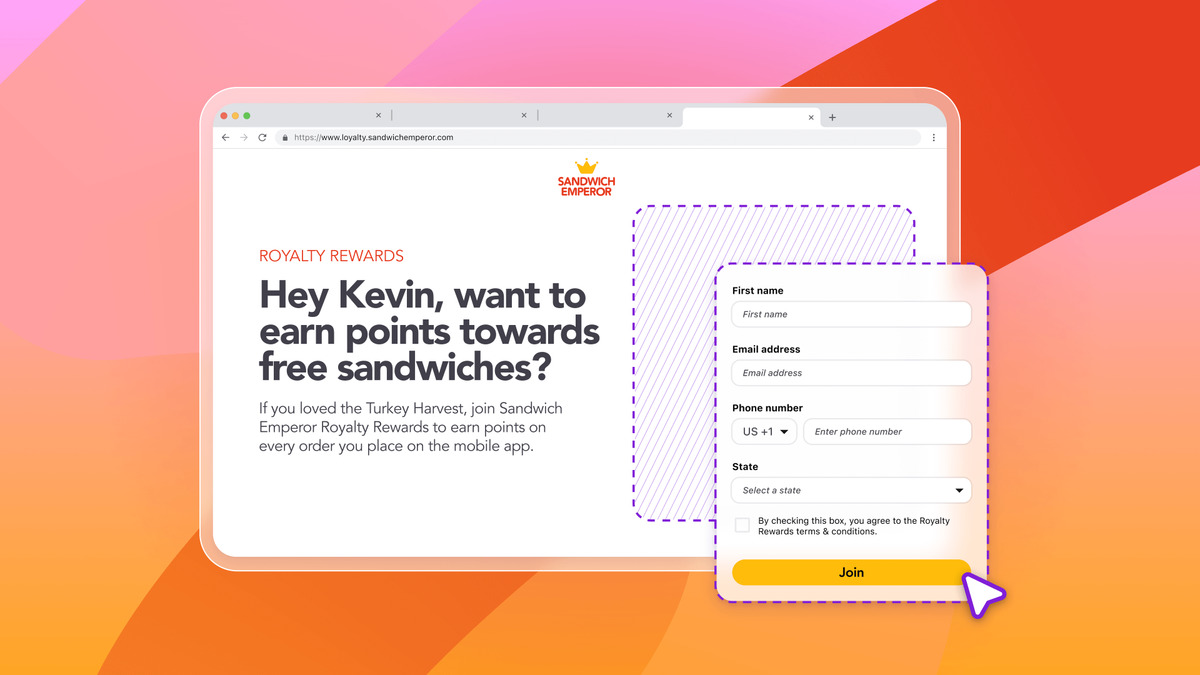
Landing pages made simple: How to build your first Braze Landing Page

Courtney Baum
AI decision making: How brands use intelligent automation to scale personalization and drive revenue